
Asphalt shingles last about 15 to 20 years for basic 3-tab, 25 to 30 years for architectural and 30 years or more for luxury lines, according to Fixr's January 2026 update. Other sources agree on the middle: HomeAdvisor says about 30 for architectural, and InterNACHI, the home inspectors' association, lists 20 for 3-tab and 30 for architectural. These are ranges for a roof that was installed well and kept up. Heat, poor attic ventilation, storms and a bad installation can take years off, and a "lifetime" warranty does not extend the roof's life. Asphalt shingles are also called composition shingles. This page covers asphalt shingles only; our guide to how long a roof lasts compares every roofing material.
How long each kind of shingle lasts
Our guide to architectural vs 3-tab shingles explains how they differ and what each costs. Here is what the sources say about life.
| Source | 3-tab | Architectural (laminated) | Luxury (designer) |
|---|---|---|---|
| InterNACHI life expectancy chart | 20 years | 30 years | not listed |
| HomeAdvisor, updated June 17, 2026 | 15 to 20 years | about 30 years | not given |
| Fixr, updated January 21, 2026 | 15 to 20 years | 25 to 30 years | 30 years or more |
| Fine Homebuilding, September 2010 | replace "every 20 years or so" | marketed at "more than 50 years" | "intended to last a lifetime" |
The last row is a warning, not a forecast. The magazine said it is easy to find shingles marketed with expected lives of 40 to 50 years or longer, but those are manufacturers' expectations, not measured results, and the article is 16 years old. The three current sources line up far better with each other than with the sales claims. Plan around the lower numbers.
Where the sources differ, such as 15 to 20 years against 20 for 3-tab, the gap is mostly climate and upkeep, not a real disagreement. We found no neutral, measured life figure for luxury shingles, only Fixr's "30 years or more", so treat that line as a floor from one source.
What cuts a shingle roof's life short
Several things age asphalt faster. The manufacturers' trade group and the inspectors name the same ones.
- Heat and sun. InterNACHI says hot climates drastically reduce asphalt shingle life. It adds that south-facing slopes age faster because they see more temperature swings and ultraviolet light, and that dark roofs absorb more heat. Higher elevations get more ultraviolet light too.
- Attic ventilation. ARMA, the Asphalt Roofing Manufacturers Association, says attic ventilation moves heat out of the attic and "helps prolong the service life of the roof." InterNACHI says poor ventilation lets shingles run hotter. Our guide to roof ventilation explains what a roofer checks.
- Hail. The Insurance Institute for Business & Home Safety (IBHS) says hail smaller than one inch knocks off protective granules, which exposes the asphalt to sun and speeds aging. After weathering and two simulated small-hail events, shingles were up to ten times more susceptible to damage from later large hail than new ones.
- Wind and unsealing. In IBHS's September 22, 2026 report on ten years of aging on test roofs, most products' wind resistance began to decline between years 5 and 10, at rates that varied widely by product. IBHS calls shingles coming unsealed the single greatest driver of wind vulnerability.
- Roof slope and moisture. InterNACHI says flatter roofs shed water slowly and take more direct sun. HomeAdvisor adds that damp climates encourage moss and algae that wear shingles down, and that skipped upkeep, gutter cleaning included, can shorten life. See roof moss and algae.
- Quality and installation. InterNACHI says quality differs between makers and even within a line, and Owens Corning's warranty excludes damage from installation that did not follow its instructions.
A shingle starts aging in its package, InterNACHI says, mainly through oxidation of the asphalt, and the pace speeds up after installation. Aging is slow, then fast, then slows again once the roof has stopped doing its job.
Warranty length is not roof life
Warranties are the easiest numbers to find, and the least reliable guide to a roof's life. Owens Corning's own published warranty table, for shingles bought from January 1, 2026, shows the pattern:
| Line type | Warranty | Full coverage period | Wind warranty |
|---|---|---|---|
| Three-tab line | 25 years | first 5 years | 60 mph for 5 years |
| Architectural lines | Limited lifetime | first 10 years | 110 or 130 mph for 15 years |
In the lifetime lines, after the first ten years the maker pays only part of the shingle cost, starting at 80% and falling 2 points a year to year 40 for a single-family home owned by an individual, and no labor. Lifetime means as long as the owner owns the home. The warranty covers manufacturing defects, not hail, installation mistakes or poor ventilation. CertainTeed lists a similar split for its lines: a lifetime limited transferable warranty and a 15-year, 110 mph wind warranty on its architectural line. Our guide to roofing warranties explains how to read one.
The reason to read the warranty is the exclusions. Fine Homebuilding warned that an unvented, insulated roof assembly can void a shingle warranty from day one. Ask your roofer whether the roof you are buying meets the maker's ventilation rules.
Signs the end is near
InterNACHI describes how a shingle fails late in life: craze-cracking, splitting, granule loss, creasing and distortion, and on old organic shingles, delamination. You can see most of these from the ground or in the gutters.
- Granules in the gutters or bald patches. A few early on is normal for a new roof. A lot, or bare spots, is not. See granule loss.
- Curling or cupping edges. See curling shingles.
- Cracks, splits or missing shingles. One damaged spot can be repaired; widespread damage points to replacement. See repair or replace.
- Leaks and stains inside. Water is the signal that the roof has stopped working.
Our guide to the signs you need a new roof has the full list. Fixr suggests budgeting for a replacement when the roof is within 5 to 10 years of its expected life, or earlier if it leaks again and again. Our guide to what a roof replacement costs shows how to price it.
How to get more years from your roof
You cannot add years to shingles, but you can avoid losing them.
- Have attic ventilation checked when the roof goes on. ARMA ties it directly to service life.
- Choose the shingle line for the climate. A heavier line costs more up front and, per the sources above, lasts longer.
- Keep gutters clear and moss off. HomeAdvisor lists both as upkeep that protects life.
- Look after storms. Check from the ground after hail or wind and ask a roofer to inspect. IBHS found that even small hail strips granules and speeds aging.
- Keep the paperwork. The installation date starts every warranty and tells you how far along you are.
Frequently asked questions
How long do architectural shingles last?
About 25 to 30 years, according to Fixr, HomeAdvisor and InterNACHI. Hot climates, poor ventilation and hail can cut that short.
How long do 3-tab shingles last?
About 15 to 20 years, per HomeAdvisor and Fixr. InterNACHI lists 20.
Can asphalt shingles last 50 years?
Manufacturers market some lines that way, but we found no measured evidence. A 2010 magazine article noted that expected lives of 40 to 50 years or longer are easy to find in marketing, and IBHS's ten-year test roofs showed wind performance declining after years 5 to 10.
Does a 30-year warranty mean the shingles last 30 years?
No. A warranty covers manufacturing defects and shrinks over time. Owens Corning's lifetime warranty pays a declining share of the shingle cost after year 10, with no labor.
Do shingles last longer with good ventilation?
The maker's trade group says so: ARMA says ventilation helps prolong the service life of the roof. InterNACHI says poor ventilation makes shingles run hotter and age faster.
Where this information comes from
HomeAnvil does not publish roofing data of its own. Every source below was read on October 13, 2026. This page is general information, not insurance or financial advice.
- InterNACHI, standard estimated life expectancy chart: 20 years for 3-tab and 30 for architectural asphalt, and the note on hot climates. No date given.
- InterNACHI, Mastering Roof Inspections: Asphalt Composition Shingles, Part 30: how shingles age, the stages of failure and what changes the rate. No date given.
- HomeAdvisor, shingle roof replacement cost, updated June 17, 2026: lifespans for 3-tab and architectural and what shortens them. HomeAdvisor says its figures come from surveying its customers and other published research.
- Fixr, asphalt shingles, updated January 21, 2026: lifespans by type and when to plan a replacement.
- Fine Homebuilding, Will your next asphalt roof last a lifetime?, issue 214, September 2010: marketed lifespans, prorated warranties and the unvented-roof warning. Dated, so used with care.
- ARMA, frequently asked questions, published May 8, 2017: ventilation and service life.
- IBHS, research on asphalt shingle wind performance after 10 years of aging, September 22, 2026, and impact testing of high concentrations of small hail, undated: wind decline, unsealing, small hail and granule loss.
- Owens Corning, standard product limited lifetime warranty, for shingles bought after January 1, 2026: the information table, proration schedule and exclusions. Naming a maker is not a recommendation.
- CertainTeed, Landmark product page: lifetime limited transferable and 15-year 110 mph wind warranties.
Angi's and HomeGuide's pages refused our requests, so we use none of their figures. We will update this page when these sources publish new figures, and the date above will say when.
Related guides
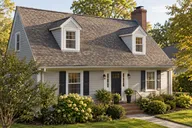 How long does a roof last?Architectural shingles last about 30 years, 3-tab about 20, metal 40 to 80, slate 60 to 150. What shortens a roof's life, and why a warranty isn't a lifespan.
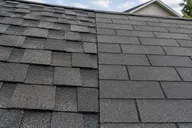 Are architectural shingles worth it over 3-tab shingles?Architectural shingles start near $3.50 a square foot against $1.50 for 3-tab, last about 30 years instead of 20, and carry longer warranties.
 How much attic ventilation does a roof need?Code calls for 1 square foot of net free vent area per 150 square feet of attic, split between intake and exhaust. How vents work, warning signs and costs.
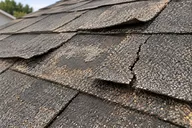 What are the signs you need a new roof?The signs a roof needs replacing, outside and in: age past 20 to 30 years for shingles, bald or curling shingles, repeat leaks, a sagging line. What each means.
 What does a roof warranty actually cover?A shingle warranty covers manufacturing defects, a contractor's warranty covers installation. How prorating, wind, algae, transfers and voiding work.
 How much does a roof replacement cost?A roof replacement typically costs $5,900 to $13,400, or $400 to $1,100 per square installed. How to measure your roof, what moves the price and how to compare estimates.
- What is an asphalt shingle roof, and is it right for you?Asphalt shingles are the most common home roof. 3-tab starts near $1.50 a square foot, architectural near $3.50. Life, wind, hail and warranty compared.