
If your roofer stops work or shuts down, do four things this week: record exactly what is done and what is not, put your demand in writing, stop paying, and look at how you paid the deposit. If it went on a credit card, you have only 60 days from the first statement that shows the charge to dispute it in writing, so that clock may be running before you have given up on the roofer. The warranty question is separate: the shingle maker's warranty does not depend on the roofer staying in business, but the roofer's own workmanship warranty is only as good as the company behind it.
This page is general information, not legal advice. Rules for contractors, deposits and liens differ by state, so check your state's rules, and ask a construction or consumer lawyer before you sue or terminate a contract.
First, protect the house
An unfinished roof can let in rain. If the old roofing is stripped and the deck is open, or an area is leaking, covering it comes before the argument. A tarp is a temporary measure that a professional should install; our guide to roofing emergencies and tarping covers what it costs and how to document it. Keep receipts and photos. Do not climb onto a partly torn-off roof yourself.
Record what is done and what is not
Before you chase anyone, build the file. It will matter for a card dispute, a complaint, a new roofer's estimate and any later claim.
- Photograph the roof and the property from the ground and from inside the attic or ceilings if you can reach them safely, with dates.
- Write down the timeline: the signing date, what you paid and how, when work began, when it stopped and every missed promise.
- Save every message. Texts, emails, voicemails, invoices and receipts.
- Find the contract. Note the start and end dates, the payment schedule, the materials named and any clause about delays, termination or warranty.
- Photograph delivered materials still sitting on the property, with any labels showing the maker and product.
The FTC says to keep notes and copies of letters and documents on any contractor dispute.
Put your demand in writing
The FTC's advice on disputes with a contractor is to try to resolve it with the contractor first, because many disputes settle at that level, and to follow any phone call with a letter sent by certified mail with a return receipt requested. For a stopped job, that letter should state the contract date, what has and has not been done, the date work stopped, and what you want: a restart date, a refund or a written explanation, with a reasonable deadline. Check your contract for any required notice period before you terminate it, since skipping one can weaken your position. If the company has closed, the letter may come back unanswered, and that return receipt is still evidence.
Look at how you paid the deposit
Whether you can get the money back from your bank depends on what you paid with.
| How you paid | What you may be able to do | Deadline |
|---|---|---|
| Credit card | Dispute the charge as a billing error. The CFPB says being charged for something you never received can count, and that you should first ask the seller to refund it | Your written notice must reach the card company within 60 days of the first statement showing the charge (FTC) |
| Debit card | The FTC says legal protections are weaker than for credit cards, though some debit card companies offer more | Same 60-day window to report the error; check with your bank |
| Check, cash or transfer | No chargeback process. Your remedies are with the contractor and through the complaint routes below | Contract and state law |
On a credit card, the FTC says the issuer must acknowledge your complaint in writing within 30 days and resolve the dispute within 90 days, and that you may withhold the disputed amount, though you must pay the rest of the bill. Send the dispute in writing, with copies, not originals, of the contract and receipts. Calling the issuer first is sensible, but the written notice is what counts.
If you have not paid the full price, stop. The FTC advises that you never make the final payment until the work is done and you are satisfied with it. Do not pay for work you cannot see.
Check that suppliers and crews have been paid
A roofer who disappears may also have left the supplier or a subcontractor unpaid. FindLaw's explanation of mechanic's liens says that if a prime contractor does not pay a subcontractor or supplier, those unpaid parties can pursue the homeowner and the property, and that you may end up paying twice, though state rules differ. So find out who supplied the materials, ask the supplier whether it has been paid, and collect lien waivers before you pay anyone else to finish the work. Our guide to lien waivers for roofing explains what to ask for.
What happens to the warranty
There are two promises to think about, and they behave differently.
The shingle maker's warranty stays with the roof. It comes from the maker, not the roofer. Owens Corning's 2026 warranty, for example, names the property owner as the purchaser and says that purchaser is not the installer or contractor. If shingles fail from a manufacturing defect, you can still file a claim; see how to file a roof warranty claim. But the makers' standard warranties exclude installation that does not follow their written instructions, and a roof that was left half-done or done wrong may not qualify.
The roofer's workmanship warranty depends on the contract. It is only as good as the company that gave it. If the company has closed, there may be no one to honor it, and the contract text decides everything, including whether the warranty passes to a successor. Our guide on what a roof warranty covers explains why.
An enhanced manufacturer warranty can fill the gap. Owens Corning's Platinum Protection warranty, for shingles purchased after August 1, 2026, says that for an installation error found in the first two years, the installing contractor must make the repairs, and that if the contractor is unable or unwilling, Owens Corning will arrange to have the roof repaired. That is one maker's program and it requires a certified contractor and registration within 60 days. Check whether yours is a standard or an enhanced warranty and read the document.
Finish the job without making it worse
A new roofer will be taking over someone else's work, so ask for an honest assessment.
- Get at least two written estimates to finish or redo the work, and ask each to inspect what was installed, including underlayment, flashing and fastening. Our guide to comparing roofing estimates shows how to read them.
- Ask for the inspection findings in writing. If the first roofer's work was faulty, that is evidence for a complaint or claim. Signs of a bad roofing job lists the faults to look for.
- Vet the replacement the same way you should have vetted the first one, using our guide to checking a contractor before you hire.
- Put the new contract's payment schedule in line with progress, not ahead of it.
Where to complain
The FTC lists these for contractor disputes: your state attorney general or local consumer protection office, your local home builders association, your local media's consumer help lines and dispute resolution programs. The FTC also takes reports of bad business practices at ReportFraud.ftc.gov. Whether your state licenses roofers, and what its licensing agency will do with a complaint, varies, so look at your state's rules. Our guide to roofing scams has a reporting table for fraud.
A complaint does not guarantee you will get your money back. It does put the problem on record and can help investigators who are looking at the same company.
How to avoid it next time
The FTC advises against paying the whole project up front, notes that some states limit how large a down payment a contractor can request, and recommends a written contract that includes the contractor's license number and estimated start and completion dates. Our guides to roofer deposits and payment schedules and to what a roofing contract should say go through it.
Frequently asked questions
Can I get my deposit back if my roofer disappears?
Possibly. If you paid by credit card, you can dispute the charge in writing within 60 days of the first statement showing it, and the issuer must resolve the dispute within 90 days. If you paid by check or cash, you must pursue the contractor or file complaints. Nothing is guaranteed.
Do I still have to pay the roofer if the job is unfinished?
The FTC says never make the final payment until the work is done and you are satisfied. What you owe for completed work depends on your contract and your state's law, so ask a lawyer before withholding a large sum.
Is my roof warranty void if the roofing company closes?
The shingle maker's warranty is not tied to the roofer, though installation faults are excluded. The roofer's own workmanship warranty may be worthless if no one is left to honor it. Read the contract.
Can a supplier put a lien on my house if I paid the roofer?
According to FindLaw's explanation, an unpaid subcontractor or supplier can pursue the homeowner and the property in some circumstances, which is why lien waivers matter. State rules differ, so ask a local lawyer.
Should I sue?
That is a legal question. Many disputes settle in writing first, and small claims or a lawyer's letter are options your state may offer. Collect the file described above before you decide.
Where this information comes from
HomeAnvil does not publish legal or consumer-protection data of its own. Each fact comes from the source named beside it, all read on October 13, 2026.
- FTC Consumer Advice, How to avoid a home improvement scam, July 2022: resolving disputes with the contractor, certified mail, record keeping, where to complain, final payment, down payments and written contracts.
- FTC Consumer Advice, Using credit cards and disputing charges, May 2022: the 60-day written notice, the 30-day acknowledgment, the 90-day resolution and withholding the disputed amount.
- FTC Consumer Advice, Sample letter for disputing credit and debit card charges, November 2024: weaker debit card protections and the 60-day window.
- Consumer Financial Protection Bureau, How can I get a refund on a product or service I purchased with my credit card?, last reviewed May 15, 2024: asking the seller first and billing errors for services not received.
- FTC Consumer Advice, Warranties, July 2023: reporting unresolved problems to the FTC and your state attorney general.
- FindLaw, Understanding mechanic's liens, last updated December 28, 2023: how unpaid suppliers and subcontractors can pursue a homeowner and how lien waivers help.
- Owens Corning, Standard product limited lifetime warranty, for shingles purchased after January 1, 2026: the purchaser as owner and the exclusion for faulty installation.
- Owens Corning, Platinum Protection limited lifetime warranty, for shingles purchased after August 1, 2026: the two-year contractor obligation and Owens Corning's arrangement of repairs.
We did not find a neutral national source on contractor bonds or state recovery funds, so this page does not describe them; ask your state's licensing agency whether either applies. We will update this page when the sources change, and the date above will say when.
Related guides
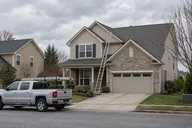 How do you spot a roofing scam or a storm chaser?Storm chasers knock unasked, want money up front, offer to cover your deductible or ask you to sign over your claim. How to check a roofer and report one.
 What does a roof warranty actually cover?A shingle warranty covers manufacturing defects, a contractor's warranty covers installation. How prorating, wind, algae, transfers and voiding work.
 What to check before you hire a contractorFive things to ask for before you sign with a roofing, siding, window, bath or HVAC contractor, wherever you live in the United States.
- Do you need a lien waiver when you pay a roofer?Paying your roofer in full may not end the matter: unpaid suppliers can lien your home. What a lien waiver is, conditional vs unconditional, and what to collect.
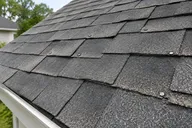 Signs of a bad roofing job, and what to do about itWavy shingle rows, high or exposed nails, missing flashing or drip edge and first-year blisters point to poor work. How to document it and use your warranty.
- How do you file a roof warranty claim?Report a shingle defect within 30 days, send proof of purchase and ownership, and leave the roof alone until the maker decides. Workmanship claims go to your roofer.